
Abandonment

Dreaming of abandonment often reflects deep-seated fears of isolation or rejection. It may signify unresolved emotional wounds or a longing for connection. This symbol invites you to explore your relationships and confront feelings of insecurity, urging personal growth and healing.

Sentiment
iSentiment represents the emotional tone of a symbol in the dream: negative suggests pressure or threat, mixed indicates a push-pull dynamic, and positive implies support or relief. It reflects the mood, not a good or bad judgment.
Negative
negativemixedpositive
What does this mean?

Sentiment reflects the emotional tone associated with a dream symbol. It helps you understand how that symbol made you feel within the context of your dream.

Negative (red)
Tension: fear, urgency, conflict, shame, or boundaries being pushed.
Ask: What felt unsafe or out of control?
Mixed (orange)
Both sides: scary but meaningful, painful but healing, risky but exciting.
Ask: What part is helpful, and what part is threatening?
Positive (green)
Support: relief, clarity, connection, confidence, repair, forward momentum.
Ask: What's working for me here — and how can I reinforce it?

Context overrides the label. Your reaction in the dream matters more than the symbol "type".

Interpretations

4 perspectives

Psychological

Abandonment dreams can reveal anxieties about being left behind or unworthy of love. They may surface during times of change or stress, highlighting a need for reassurance in relationships. Reflecting on past experiences can help you understand these emotions better.

Spiritual

Spiritually, abandonment can represent a call to reconnect with your inner self and trust the universe. It encourages letting go of attachments that no longer serve you, fostering resilience and compassion towards yourself and others.

Jungian

In Jungian terms, abandonment symbolizes the shadow aspect of the self—fears and insecurities that are often hidden. Engaging with this shadow can lead to greater self-awareness and integration, allowing you to embrace your whole self.

Folklore

Culturally, abandonment is often depicted in folklore as a test of character or loyalty. Stories of lost children or forsaken lovers remind us that trials can lead to personal growth and deeper connections.
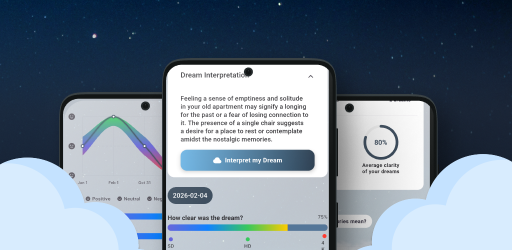
Your dreams are unique

Dream symbols are specific to your dreams. Context matters. Download Dreamiary to get in-depth insights about your dreams, build your own personal symbols library, and journal securely with biometric lock.

Get it onGoogle Play
Download on theApp Store

Scenarios

9 variations
  • Dreaming of walking away while someone calls your name

    You wrestle with guilt and the urge to escape emotional responsibility. Hearing your name means part of you craves connection, yet you move forward anyway. It's a tug-of-war between self-preservation and loyalty. If you ignore the calls, it reveals avoidance; responding signals readiness to confront inner conflicts about leaving relationships behind.

  • Dreaming that everyone at a party suddenly disappears

    You feel invisible and rejected despite being surrounded by others. The sudden emptiness highlights fears of social abandonment and isolation. Panic suggests acute loneliness; calmness points to acceptance or numbness toward exclusion. Your mind amplifies this scene when you question your belonging or value in your social circle.

  • Seeing a pet left behind during a move

    You fear losing cherished bonds or parts of yourself amid change. The pet symbolizes unconditional love and comfort, so abandoning it reflects anxiety over emotional sacrifices you must make. Sadness shows mourning for what's lost; detachment might mean you're bracing for inevitable separation with less pain.

  • Dreaming that a partner disappears without explanation

    This taps into deep insecurities about trust and unpredictability in intimate relationships. The sudden vanishing triggers feelings of confusion and abandonment. Feeling desperate exposes vulnerability; anger reveals frustration with lack of communication or commitment. Your subconscious uses this scenario to spotlight unresolved fears around being left behind emotionally.

  • Finding yourself locked out of your own house

    Represents feeling shut out from personal comfort zones or support systems. The locked door is a barrier between you and safety, signaling internal conflicts about belonging or acceptance. Anxiety here means you're struggling with exclusion; relief could mark a realization that some doors must close to open new paths.

  • Dreaming that no one answers when you call for help

    Highlights intense feelings of helplessness and emotional neglect in your waking life. Calling for assistance but hearing silence dramatizes perceived abandonment by those you depend on. Fear signals desperation; resignation suggests acceptance of self-reliance despite the loneliness involved.

  • Walking away from a crowd but feeling watched

    Shows ambivalence about leaving familiar situations or people behind while fearing judgment or repercussions. Being observed creates pressure, making escape difficult even when necessary. Anxiety means you're struggling with guilt or shame; relief indicates liberation from toxic dynamics despite external scrutiny.

  • Being left behind while others board a bus without you

    Symbolizes feelings of exclusion from progress or shared experiences in your social circle or career path. Missing the bus underlines fear that life is moving forward without your involvement or approval. Frustration emphasizes urgency to catch up; sadness reflects mourning lost opportunities or connections.

  • Dreaming that your cries for attention go unheard by loved ones

    Reveals profound emotional isolation even within close relationships where support feels lacking. Silent responses highlight unmet needs for validation and care, stirring feelings of invisibility. Anguish exposes vulnerability; numbness indicates protective withdrawal after repeated neglect.