Case
Dreaming of a case often symbolizes containment, protection, or the need to safeguard something valuable. It can represent your personal boundaries or aspects of your identity that you wish to keep private. This symbol invites you to explore what you hold dear and how you manage your emotional space.
What does this mean?
Sentiment reflects the emotional tone associated with a dream symbol. It helps you understand how that symbol made you feel within the context of your dream.
Ask: What felt unsafe or out of control?
Ask: What part is helpful, and what part is threatening?
Ask: What's working for me here — and how can I reinforce it?
Context overrides the label. Your reaction in the dream matters more than the symbol "type".
Interpretations
4 perspectivesPsychological
A case may reflect your desire to protect your emotions or experiences. It can indicate how you compartmentalize feelings, suggesting a need for balance between openness and privacy in relationships and self-expression.
Spiritual
Spiritually, a case can symbolize the soul's journey and the protective layers we build around our true selves. It encourages introspection about what needs nurturing and what should be released for growth and clarity.
Jungian
In Jungian terms, a case represents the persona—the outer identity you present to the world. It may indicate aspects of yourself that are hidden or repressed, urging exploration of the shadow self for deeper understanding and integration.
Folklore
Folk wisdom often associates cases with treasure chests, suggesting that what we protect is valuable. The saying 'Don't judge a book by its cover' reminds us that appearances can be deceiving, urging deeper exploration beyond surface-level judgments.
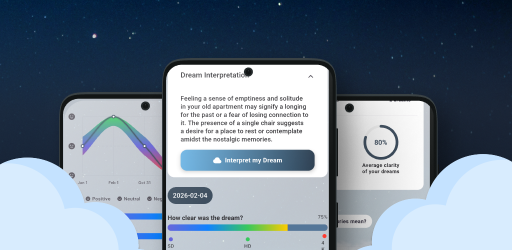
Your dreams are unique
Dream symbols are specific to your dreams. Context matters. Download Dreamiary to get in-depth insights about your dreams, build your own personal symbols library, and journal securely with biometric lock.
Scenarios
9 variationsOpening an old case
You revisit memories or feelings long tucked away. It's about confronting what you thought was settled. Curiosity and maybe anxiety drive this moment. The case represents your past self, locked away but never gone. If you felt relief when opening it, you're ready to heal old wounds. If panic set in, those emotions still overwhelm you. This dream pushes you to face what you've hidden for too long.
Finding a hidden case
Discovering a concealed case means uncovering parts of yourself you've ignored or undervalued. Maybe talents or desires buried beneath daily routine. Your mind uses the image of a case because these traits feel precious yet protected. Excitement in the dream suggests readiness to embrace growth; hesitation signals fear of change. This is your subconscious urging exploration beyond familiar roles.
Locking a case tight
You feel the urgent need to shield yourself from emotional harm or judgment. The act of locking a case shows how boundaries have become barriers, isolating rather than protecting. Anxiety or frustration may fuel this defense, as vulnerability feels risky now. If locking felt empowering, you're setting healthy limits; if desperate, it hints at loneliness and repression needing attention.
Carrying a heavy case
The weight of the case mirrors burdens from unresolved issues or responsibilities dragging on your spirit. You might be holding onto guilt, regret, or obligations that exhaust you daily. Fatigue and reluctance in handling the case reveal emotional overload seeking release. The dream tells you to lighten your load,ask for help or let go of what's no longer yours.
Breaking open a case
Forcefully opening a case shows a breakthrough moment,emotions or truths long suppressed erupt into awareness. This can be liberating but also chaotic if fear accompanies it in the dream. Your psyche demands honesty now; hiding feelings only prolongs stress. Success here means growth and catharsis; failure might mean you're not ready for full disclosure yet.
Seeing someone else's case
Observing another person with their own case stirs reflection on personal boundaries and identity management differences between you two. Perhaps envy or admiration colors this vision as you compare how others protect their vulnerabilities versus your style. It reveals social dynamics around trust and privacy affecting your self-image deeply.
Losing a valuable case
Misplacing an important case brings up fears around losing control over what matters most,be it secrets, identity, or cherished goals. Panic during this dream points to anxiety about exposure or failure in waking life situations requiring discretion and care. It's time to reassess how well you're safeguarding your inner world against external chaos.
Packing items into a small case
Compressing many things into one compact space symbolizes attempts to organize complex feelings or experiences neatly within limited emotional capacity. It may represent pressure to simplify life quickly while feeling overwhelmed by what demands attention simultaneously. Satisfaction suggests readiness for prioritization; stress reflects internal conflict needing resolution.
A broken lock on the case
Encountering a faulty lock means feeling exposed unintentionally,your personal boundaries might be fragile right now due to trust issues or recent betrayals. Fear and vulnerability dominate this scene since protection fails when needed most. This prompts urgent work on reinforcing limits before further emotional harm occurs.