
Emotion

Dreams about emotions often reflect your inner state and unresolved feelings. They can reveal hidden desires or fears, prompting self-exploration. Understanding these emotional landscapes can lead to personal growth and deeper connections with others.

Sentiment
iSentiment represents the emotional tone of a symbol in the dream: negative suggests pressure or threat, mixed indicates a push-pull dynamic, and positive implies support or relief. It reflects the mood, not a good or bad judgment.
Mixed
negativemixedpositive
What does this mean?

Sentiment reflects the emotional tone associated with a dream symbol. It helps you understand how that symbol made you feel within the context of your dream.

Negative (red)
Tension: fear, urgency, conflict, shame, or boundaries being pushed.
Ask: What felt unsafe or out of control?
Mixed (orange)
Both sides: scary but meaningful, painful but healing, risky but exciting.
Ask: What part is helpful, and what part is threatening?
Positive (green)
Support: relief, clarity, connection, confidence, repair, forward momentum.
Ask: What's working for me here — and how can I reinforce it?

Context overrides the label. Your reaction in the dream matters more than the symbol "type".

Interpretations

4 perspectives

Psychological

Emotions in dreams highlight your cognitive and emotional patterns, often mirroring daily experiences. They may signal unresolved conflicts or desires that need attention in waking life, urging you to explore your feelings more deeply.

Spiritual

Spiritually, emotions are seen as guides on your journey toward self-discovery. They encourage compassion towards yourself and others, fostering growth through understanding and acceptance of your emotional landscape.

Jungian

From a Jungian perspective, emotions represent the unconscious mind's messages. They may embody aspects of the shadow self, calling for integration and acceptance of all facets of your personality to achieve wholeness.

Folklore

In many cultures, emotions are viewed as the heart's language. Folk wisdom suggests that expressing feelings can heal wounds; for instance, 'A burden shared is a burden halved' emphasizes the importance of sharing emotions with trusted individuals.
Your dreams are unique

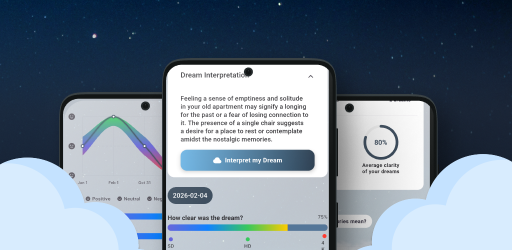
Dream symbols are specific to your dreams. Context matters. Download Dreamiary to get in-depth insights about your dreams, build your own personal symbols library, and journal securely with biometric lock.

Get it onGoogle Play
Download on theApp Store

Scenarios

9 variations
  • Feeling Overwhelmed by Sadness

    You encounter a flood of sadness that drowns your senses. This feeling often points to hidden grief or unresolved emotional pain. Your mind forces you to confront what you've pushed aside. If the sadness feels crushing, it signals deep sorrow needing attention. Yet, if you feel calm despite tears, the dream might be guiding you toward healing and acceptance.

  • Joyful Celebration with Loved Ones

    Surrounded by laughter and warmth, you experience pure joy with those close to you. This emotion reflects satisfaction and harmony in your relationships, reminding you of your support system. If the joy feels genuine, it reinforces your bonds; if forced or fleeting, it might reveal underlying loneliness masked by social facades.

  • Anger Manifesting as Conflict

    You find yourself in heated arguments or physical fights. These scenes mirror inner turmoil and frustration demanding expression. Your subconscious uses conflict to spotlight areas where you feel powerless or unheard. Feeling enraged during the dream means you're grappling with real-life tensions; if detached or calm, it suggests you're processing anger internally without outward outbursts.

  • Fear of Abandonment or Loneliness

    A chilling emptiness pervades your dreamscape as isolation takes hold. This emotion stems from worries about being left behind or unloved in waking life. Your mind exposes vulnerabilities tied to attachment needs. If fear dominates, it reveals anxiety about losing connections; if sadness lingers instead, you're mourning emotional distance already felt.

  • Unexpected Tears of Relief

    Tears flow freely without clear cause, surprising you with their release. This cathartic moment shows pent-up emotions finally breaking through defenses. Your psyche demands liberation from burdens carried silently. When relief accompanies crying, it's a sign of emotional cleansing; if sorrow persists beneath the tears, deeper wounds remain to be healed.

  • Anxiety About Future Events

    Your heart races over uncertain futures and looming challenges in vivid detail. Anxiety here signals waking life stressors crowding your thoughts and draining peace of mind. The dream dramatizes these pressures so you recognize them fully. If panic overwhelms you during this vision, it calls for immediate coping strategies; moderate unease invites reflection and planning.

  • Feeling Numb Amid Emotional Chaos

    You drift through scenes charged with intense feelings but remain emotionally detached yourself. This numbness acts as a protective shield against overwhelming sensations in real life. Your brain isolates emotions to prevent collapse under pressure. If numbness frustrates you in the dream, it's a plea for reconnection; if comforting, it highlights avoidance tendencies.

  • Sudden Burst of Happiness Without Reason

    Joy erupts spontaneously within your dream without external triggers or explanations. This unprompted happiness represents moments when your subconscious acknowledges personal growth or hope amidst struggles. The surprise element shows untapped positivity within you waiting to surface daily. If happiness feels fragile here, cherish it as fuel for resilience.

  • Guilt Crushing You in Solitude

    Weighty guilt presses down as solitary confinement envelops your dream world tightly around remorseful thoughts. Such dreams signal unresolved regrets burdening your conscience deeply enough to invade sleep realms vividly expressing self-reproach and desire for forgiveness or change. The intensity of guilt felt reveals how urgently reconciliation is needed,whether self-directed or involving others.