Hammock
Dreaming of a hammock often symbolizes a need for rest and relaxation in your waking life. It invites you to slow down, recharge, and find balance amidst daily chaos. This dream may also reflect your desire for freedom and leisure, encouraging you to embrace moments of tranquility.
What does this mean?
Sentiment reflects the emotional tone associated with a dream symbol. It helps you understand how that symbol made you feel within the context of your dream.
Ask: What felt unsafe or out of control?
Ask: What part is helpful, and what part is threatening?
Ask: What's working for me here — and how can I reinforce it?
Context overrides the label. Your reaction in the dream matters more than the symbol "type".
Interpretations
4 perspectivesPsychological
The hammock represents your subconscious need for downtime and self-care. It highlights the importance of taking breaks to avoid burnout and maintain emotional health. Consider how often you allow yourself to rest.
Spiritual
Spiritually, the hammock signifies a space for reflection and connection with your inner self. It encourages you to cultivate peace within, fostering compassion towards yourself and others as you navigate life's challenges.
Jungian
In Jungian terms, the hammock can symbolize the balance between work and play, representing the integration of your conscious efforts with your unconscious desires for leisure and joy. It suggests a journey towards wholeness through self-acceptance.
Folklore
Culturally, hammocks are often associated with relaxation and community gatherings. They evoke imagery of summer days spent with loved ones, reminding us of the value of shared moments of joy and respite.
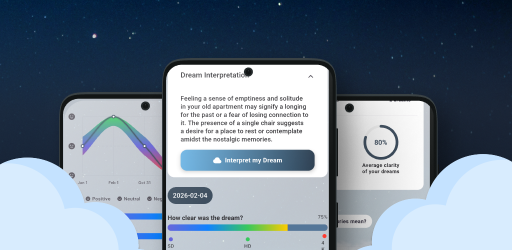
Your dreams are unique
Dream symbols are specific to your dreams. Context matters. Download Dreamiary to get in-depth insights about your dreams, build your own personal symbols library, and journal securely with biometric lock.
Scenarios
6 variationsLying in a hammock on a beach
This scenario suggests a longing for escape from daily stressors, indicating a desire for a peaceful retreat.
Setting up a hammock in the backyard
This reflects your need to create personal space for relaxation at home, emphasizing the importance of comfort in your environment.
Seeing others enjoy a hammock together
This indicates feelings of connection or envy regarding social interactions; it may suggest you seek more communal experiences.
Falling asleep in a hammock
This symbolizes deep relaxation or surrendering control; it may point to trust in letting go.
Repairing or adjusting a hammock
This scenario might signify addressing aspects of your life that require balance or adjustment.
Dreaming of an empty hammock swaying gently
This could represent feelings of loneliness or unfulfilled desires for companionship or leisure.