
Hitchhiker

Dreaming of a hitchhiker often symbolizes your journey through life, highlighting themes of trust, vulnerability, and the need for connection. It may reflect your desire for companionship or the search for guidance as you navigate uncertain paths. This dream invites you to consider who you allow into your life and how you embrace new experiences.

Sentiment
iSentiment represents the emotional tone of a symbol in the dream: negative suggests pressure or threat, mixed indicates a push-pull dynamic, and positive implies support or relief. It reflects the mood, not a good or bad judgment.
Mixed
negativemixedpositive
What does this mean?

Sentiment reflects the emotional tone associated with a dream symbol. It helps you understand how that symbol made you feel within the context of your dream.

Negative (red)
Tension: fear, urgency, conflict, shame, or boundaries being pushed.
Ask: What felt unsafe or out of control?
Mixed (orange)
Both sides: scary but meaningful, painful but healing, risky but exciting.
Ask: What part is helpful, and what part is threatening?
Positive (green)
Support: relief, clarity, connection, confidence, repair, forward momentum.
Ask: What's working for me here — and how can I reinforce it?

Context overrides the label. Your reaction in the dream matters more than the symbol "type".

Interpretations

4 perspectives

Psychological

The hitchhiker represents aspects of yourself that seek help or companionship. This may reflect feelings of isolation or a desire to share your journey with others. Consider how you approach relationships and whether you're open to receiving support.

Spiritual

Spiritually, a hitchhiker can signify a call to trust the universe and embrace the unknown. It encourages you to let go of control and be open to new experiences that foster growth and connection with others.

Jungian

In Jungian terms, the hitchhiker embodies the archetype of the wanderer, symbolizing the quest for self-discovery. This figure can also represent your shadow—parts of yourself that are unacknowledged but seek integration into your conscious life.

Folklore

In many cultures, hitchhiking is seen as a leap of faith—trusting strangers on life's journey. Folk wisdom often suggests that accepting help from others can lead to unexpected blessings.
Your dreams are unique

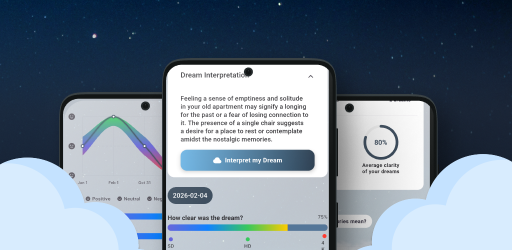
Dream symbols are specific to your dreams. Context matters. Download Dreamiary to get in-depth insights about your dreams, build your own personal symbols library, and journal securely with biometric lock.

Get it onGoogle Play
Download on theApp Store

Scenarios

9 variations
  • Picking up a hitchhiker who seems suspicious

    You feel torn between your desire to help and your fear of being hurt or deceived. This tension reflects a real-life dilemma about trusting someone new. Your subconscious uses this image to explore boundaries and caution in relationships. If you felt anxious, it signals inner resistance to vulnerability. If curious, it points toward openness despite risks.

  • Being a hitchhiker stranded on a deserted road

    This scenario highlights feelings of isolation and uncertainty in your current path. You might be facing situations where you feel stuck, waiting for support that hasn't arrived yet. The dream expresses your deep need for connection and guidance through unfamiliar challenges. Feeling hopeless in the dream mirrors real-life frustration; feeling hopeful suggests resilience despite setbacks.

  • Refusing to pick up a hitchhiker during heavy rain

    Rain symbolizes emotional turmoil or cleansing. By refusing the hitchhiker, you might be rejecting help when you actually need it most, driven by fear or pride. This shows an internal conflict between self-reliance and accepting vulnerability. If the refusal felt cold, it reveals emotional guardedness; if reluctant, it exposes hesitation about opening up during tough times.

  • Hitchhiker jumping into your moving car unexpectedly

    Sudden intrusion in your dream reflects real-life anxieties about unexpected responsibilities or changes imposed on you. Your mind dramatizes how you handle surprises that disrupt your planned journey. Feeling startled indicates resistance to losing control; feeling amused hints at adaptability and willingness to embrace spontaneity despite discomfort.

  • Talking deeply with a hitchhiker during the ride

    Engaging conversation represents your search for meaning and connection beyond superficial encounters. This shows an inner longing to understand others' perspectives or receive guidance from unfamiliar sources. If the talk was enlightening, it means you're open to growth; if tense, it suggests unresolved fears about trusting strangers emotionally.

  • Watching a hitchhiker disappear before you can help

    This image conveys missed opportunities for connection or assistance in waking life. Your subconscious processes regret or hesitation around reaching out or accepting companionship when needed. The fading figure symbolizes fleeting chances slipping away because of indecision or fear. Sadness during this dream reflects real remorse; indifference signals emotional detachment as protection.

  • Hitchhiking alone along a busy highway

    Feeling exposed amid many strangers points to vulnerability in crowded social environments or competitive situations at work or school. Your mind uses this scene to highlight fears about standing out without support and navigating life's fast pace solo. Anxiety here underscores stress over independence; calmness reveals confidence despite being on your own.

  • Helping a hitchhiker carry heavy luggage

    Carrying burdens together reflects shared responsibility and empathy in relationships close to you. It shows readiness to support others emotionally or practically when they struggle,and perhaps learning from their experiences as well. Feeling tired suggests imbalance where you're giving too much; feeling fulfilled emphasizes mutual growth through cooperation.

  • Driving past a hitchhiker without noticing them

    Ignoring someone who needs help mirrors moments of distraction or denial regarding problems around you,whether personal ones or those involving others seeking aid. This dream confronts you with unconscious neglect of opportunities for compassion or connection due to busyness or avoidance strategies. Guilt afterward indicates awareness; numbness hints at self-protection through emotional distancing.