
Instinct

Dreaming of instinct often signifies a deep connection to your inner self and intuitive guidance. It suggests that you are in tune with your feelings and instincts, encouraging you to trust your gut in waking life decisions.

Sentiment
iSentiment represents the emotional tone of a symbol in the dream: negative suggests pressure or threat, mixed indicates a push-pull dynamic, and positive implies support or relief. It reflects the mood, not a good or bad judgment.
Positive
negativemixedpositive
What does this mean?

Sentiment reflects the emotional tone associated with a dream symbol. It helps you understand how that symbol made you feel within the context of your dream.

Negative (red)
Tension: fear, urgency, conflict, shame, or boundaries being pushed.
Ask: What felt unsafe or out of control?
Mixed (orange)
Both sides: scary but meaningful, painful but healing, risky but exciting.
Ask: What part is helpful, and what part is threatening?
Positive (green)
Support: relief, clarity, connection, confidence, repair, forward momentum.
Ask: What's working for me here — and how can I reinforce it?

Context overrides the label. Your reaction in the dream matters more than the symbol "type".

Interpretations

4 perspectives

Psychological

Instinct represents your subconscious mind's way of processing experiences. It reflects emotional responses and learned behaviors that guide your choices, often without conscious thought. Trusting these instincts can lead to more authentic decision-making.

Spiritual

Spiritually, instinct is seen as a divine compass guiding you toward growth and understanding. It encourages you to listen to your inner voice, fostering compassion for yourself and others as you navigate life's complexities.

Jungian

In Jungian terms, instinct connects to the archetype of the Self, representing wholeness and integration. It embodies the innate wisdom that arises from the unconscious, urging you to embrace your true nature and confront your shadow aspects.

Folklore

Culturally, many traditions emphasize the importance of 'trusting your gut.' Proverbs often highlight that intuition can be a reliable guide, reminding us that sometimes the heart knows what the mind cannot articulate.
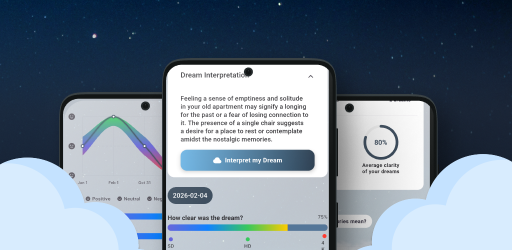
Your dreams are unique

Dream symbols are specific to your dreams. Context matters. Download Dreamiary to get in-depth insights about your dreams, build your own personal symbols library, and journal securely with biometric lock.

Get it onGoogle Play
Download on theApp Store

Scenarios

9 variations
  • Trusting Instincts During a Tough Decision

    You choose a path in your dream without overthinking, driven purely by instinct. This reflects an internal struggle to balance logic and emotion in real life. Your mind urges you to rely more on intuition when facts fall short. Feeling calm during this choice shows growing confidence, while anxiety hints at doubt about your inner voice.

  • Second-Guessing Instincts and Feeling Lost

    You dismiss a strong instinct and feel confused or lost afterward. This points to real-life tension between what your mind tells you and what your heart feels. Your subconscious uses this scenario to highlight the cost of ignoring gut feelings,missed opportunities or regret. The dream pushes you to trust yourself more fully next time.

  • Following Animal Instincts to Escape Danger

    You act swiftly like a wild animal fleeing danger in your dream, relying solely on primal instincts. This taps into deep survival mechanisms during moments of stress or fear in waking life. The vivid urgency shows how raw emotions influence decisions before rational thought can intervene. Feeling relief afterward suggests you're learning to trust those instincts under pressure.

  • Instinctual Hesitation Before Speaking Out

    You hesitate before saying something important, sensing immediate instinctual warning bells. This signals an inner conflict about expressing truths or confronting someone. Your subconscious highlights a need for caution but also encourages you not to suppress vital feelings indefinitely. The dream reflects anxiety about consequences mixed with an urge toward authenticity.

  • Guided by Instinct Through Unknown Territory

    You navigate a dark, unfamiliar space using only instincts as your guide. This symbolizes facing new challenges where past knowledge offers little help. Your mind projects the tension of uncertainty balanced by faith in intuitive senses. Success in the dream boosts confidence, while stumbling reveals fears about venturing beyond comfort zones.

  • Ignoring Instinct Leads to Betrayal

    You overlook a gut warning about someone close and face betrayal soon after in the dream. This scenario forces confrontation with trust issues and self-doubt around judgment calls in relationships. Your subconscious dramatizes the fallout from ignoring inner alarms as a cautionary tale for waking life interactions.

  • Instinctive Joy When Reconnecting With Inner Child

    You feel pure joy following spontaneous impulses like a child playing freely without rules or plans. Such dreams reveal suppressed desires for freedom and authenticity amid adult responsibilities pressing down on you daily. They celebrate moments when instinct breaks through social conditioning, reminding you that trusting natural impulses brings happiness.

  • Instinctive Fear of Losing Control

    An overwhelming sense of panic arises from losing control despite knowing it's irrational, driven by raw instinctual fear. Dreams like this emerge during times of high stress when unconscious worries surface uncontrollably through primal emotional responses rather than reasoned thought processes.

  • Instinctive Protective Urge Toward Loved Ones

    You find yourself fiercely protective without conscious planning over someone vulnerable in your dream, acting purely on instinctual care impulses. This mirrors waking-life concerns about safeguarding people who depend on you emotionally or physically, revealing intense empathy rooted deep within your psyche.