Jester
The jester symbolizes the importance of humor and lightness in life. This figure encourages you to embrace joy, challenge norms, and explore the deeper truths hidden beneath laughter. Recognizing the jester within can lead to personal growth and a more balanced perspective on life's challenges.
What does this mean?
Sentiment reflects the emotional tone associated with a dream symbol. It helps you understand how that symbol made you feel within the context of your dream.
Ask: What felt unsafe or out of control?
Ask: What part is helpful, and what part is threatening?
Ask: What's working for me here — and how can I reinforce it?
Context overrides the label. Your reaction in the dream matters more than the symbol "type".
Interpretations
4 perspectivesPsychological
The jester represents your inner child, urging you to find joy amidst stress. Engaging with humor can help you cope with difficult situations and foster resilience in everyday life, reminding you not to take everything too seriously.
Spiritual
Spiritually, the jester invites you to view life through a lens of compassion and joy. This perspective encourages growth by helping you release attachments to rigid beliefs and embrace spontaneity and creativity.
Jungian
As an archetype, the jester embodies the trickster aspect of the psyche, highlighting the need for balance between seriousness and playfulness. Embracing this duality can facilitate individuation and self-acceptance.
Folklore
In many cultures, jesters serve as wise fools who speak truth to power. Their role often includes using humor to challenge societal norms, reflecting the idea that laughter can reveal deeper insights.
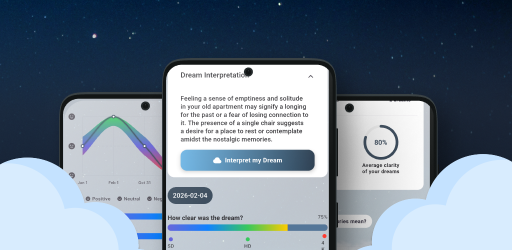
Your dreams are unique
Dream symbols are specific to your dreams. Context matters. Download Dreamiary to get in-depth insights about your dreams, build your own personal symbols library, and journal securely with biometric lock.
Scenarios
6 variationsA playful encounter with a jester at a festival
This scenario suggests a need for light-heartedness in your life, encouraging you to engage with joy and spontaneity.
Making others laugh during a tense moment
This reflects your ability to diffuse tension through humor, showcasing your emotional intelligence and resilience.
Seeing a jester in a dream while facing challenges
This indicates that embracing playfulness may help you navigate current difficulties more effectively.
Being the center of attention as a jester at a gathering
This signifies confidence in expressing yourself and highlights your desire for connection through shared laughter.
A wise fool offering advice in disguise
This represents the importance of seeking wisdom from unexpected sources; sometimes humor carries profound insights.
A jester challenging authority figures in a story or dream
This scenario emphasizes the value of questioning norms and standing up against rigidity with wit.