Jigsaw
Dreaming of a jigsaw puzzle often symbolizes the quest for understanding and integration in your life. It reflects the need to piece together different aspects of your identity or experiences, suggesting that clarity comes from patience and persistence in solving life's challenges.
What does this mean?
Sentiment reflects the emotional tone associated with a dream symbol. It helps you understand how that symbol made you feel within the context of your dream.
Ask: What felt unsafe or out of control?
Ask: What part is helpful, and what part is threatening?
Ask: What's working for me here — and how can I reinforce it?
Context overrides the label. Your reaction in the dream matters more than the symbol "type".
Interpretations
4 perspectivesPsychological
The jigsaw represents cognitive processes where you are trying to make sense of fragmented thoughts or emotions. It may indicate a current struggle to connect various elements of your life, urging you to find coherence.
Spiritual
Spiritually, the jigsaw signifies the journey towards wholeness and enlightenment. It encourages you to embrace life's complexities as part of a larger divine plan, fostering growth through understanding and compassion.
Jungian
In Jungian terms, the jigsaw symbolizes the individuation process, where disparate parts of the self must be recognized and integrated. Each piece can represent different archetypes or aspects of your personality that need acknowledgment.
Folklore
Culturally, puzzles are often seen as metaphors for life’s challenges. The saying 'life is a puzzle' reflects the idea that each experience contributes to a greater picture, reminding us that patience is key.
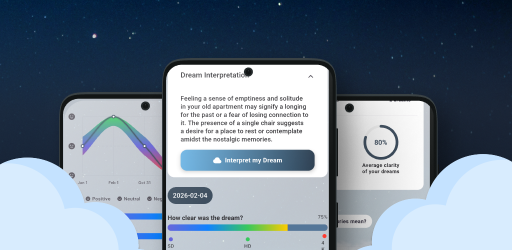
Your dreams are unique
Dream symbols are specific to your dreams. Context matters. Download Dreamiary to get in-depth insights about your dreams, build your own personal symbols library, and journal securely with biometric lock.
Scenarios
8 variationsDreaming of a jigsaw with missing corner pieces
Missing the corners in your puzzle points to feeling unanchored or unstable. Your mind focuses on the edges because you crave structure and certainty. You might be navigating a situation where foundational beliefs or safety nets feel absent. Anxiety about where you stand drives this image. If you felt panic, it shows urgency to regain control. Calm acceptance suggests readiness to explore new frameworks for stability.
Assembling a jigsaw that changes shape constantly
A puzzle that shifts shape reveals your struggle with adaptability. You're piecing together parts of your life, but they keep evolving unexpectedly. This reflects inner conflict between wanting consistency and facing change. Confusion arises from not knowing if solutions will last. Feeling frustrated means resistance to uncertainty; feeling curious signals openness to growth amid chaos.
Finding one small piece that completes the entire puzzle
Discovering a single piece that finishes the whole puzzle highlights a breakthrough moment in understanding yourself or a problem. Your subconscious celebrates clarity emerging from complexity. This often happens when you connect an overlooked detail to bigger life patterns. Joy or relief here marks resolution; if disappointment appears instead, it could mean the insight challenges previous beliefs and requires adjustment.
Losing pieces in the middle of assembling a jigsaw
Pieces slipping away mid-assembly reflect feelings of losing grip on progress or control in your waking life. Your mind dramatizes vulnerability and fear of setbacks when working toward goals or self-integration. Panic suggests anxiety about failure; resignation hints at acceptance that some things are beyond your reach right now.
Sorting puzzle pieces by color before starting
Organizing pieces by color first shows your need for order and preparation before tackling complex problems. It symbolizes how you try to create mental frameworks before diving into emotional or practical challenges. If you felt satisfaction, it means confidence in your methodical approach; frustration signals impatience with slow progress or overwhelming details.
Completing a jigsaw with random strangers
Working on a puzzle alongside unknown people points to feelings about collaboration and trust in unfamiliar environments. Your dream highlights dependence on others' input while trying to build understanding or achieve goals. Positive emotions indicate hopefulness about new relationships; discomfort may reveal skepticism about relying on outsiders.
Jigsaw pieces fitting perfectly but image makes no sense
When all pieces fit seamlessly but the overall picture confuses you, it reflects internal conflicts where everything seems logically aligned yet lacks emotional coherence. You might be reconciling facts without fully grasping their meaning for your identity or values. Feeling puzzled suggests cognitive dissonance; calm curiosity signals willingness to explore deeper layers beneath surface clarity.
Rushing to finish a jigsaw under time pressure
Hurrying through puzzle assembly mirrors real-life stress related to deadlines or rapid decisions affecting personal growth or problem-solving efforts. The dream expresses anxiety about missing important details due to haste, risking incomplete understanding. Tension indicates overwhelm; determination shows resilience despite external pressures.