
Joke

Dreaming of a joke often signifies a need for levity and connection. It can reflect your desire to lighten up or address serious matters with humor. This symbol invites you to explore the balance between joy and seriousness in your life, encouraging authentic connections through laughter.

Sentiment
iSentiment represents the emotional tone of a symbol in the dream: negative suggests pressure or threat, mixed indicates a push-pull dynamic, and positive implies support or relief. It reflects the mood, not a good or bad judgment.
Positive
negativemixedpositive
What does this mean?

Sentiment reflects the emotional tone associated with a dream symbol. It helps you understand how that symbol made you feel within the context of your dream.

Negative (red)
Tension: fear, urgency, conflict, shame, or boundaries being pushed.
Ask: What felt unsafe or out of control?
Mixed (orange)
Both sides: scary but meaningful, painful but healing, risky but exciting.
Ask: What part is helpful, and what part is threatening?
Positive (green)
Support: relief, clarity, connection, confidence, repair, forward momentum.
Ask: What's working for me here — and how can I reinforce it?

Context overrides the label. Your reaction in the dream matters more than the symbol "type".

Interpretations

4 perspectives

Psychological

Jokes can reveal your cognitive patterns, highlighting how you cope with stress or navigate social situations. They may indicate a desire for connection or a way to deflect tension in relationships, suggesting that humor is a vital tool for emotional resilience.

Spiritual

Spiritually, jokes symbolize the lightness of being and the importance of not taking life too seriously. They remind you to find joy in the mundane and foster compassion towards yourself and others by sharing laughter as a universal language.

Jungian

In Jungian terms, jokes may represent the trickster archetype, embodying the playful aspects of your psyche. This aspect encourages you to embrace spontaneity and challenge societal norms, allowing for personal growth through laughter and self-acceptance.

Folklore

Culturally, jokes often serve as social glue, bridging gaps between people. The saying 'laughter is the best medicine' reflects the belief that humor can heal wounds and strengthen community bonds.
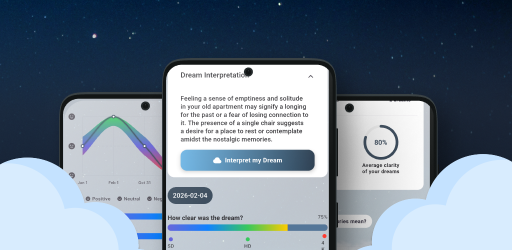
Your dreams are unique

Dream symbols are specific to your dreams. Context matters. Download Dreamiary to get in-depth insights about your dreams, build your own personal symbols library, and journal securely with biometric lock.

Get it onGoogle Play
Download on theApp Store

Scenarios

9 variations
  • Telling a joke to friends

    You want to feel included. Sharing humor shows your effort to connect and lighten the mood. It reveals a need for acceptance and belonging within your social group. If the joke lands well, it boosts your confidence and sense of camaraderie. If it falls flat, it might expose insecurities about fitting in or being understood.

  • Hearing a joke that makes you laugh unexpectedly

    Your mind craves relief from stress or seriousness. The surprise laughter breaks tension and invites you to see things differently. It reflects openness to joy even in tough times. If you feel genuine amusement, it signals emotional flexibility; if the laugh feels awkward, it indicates discomfort with vulnerability or change.

  • Being the butt of a joke

    Feeling targeted triggers awareness of vulnerability and self-image issues. You may be wrestling with how others perceive you or with inner criticism. This dream pushes you to examine if you accept yourself fully or if social dynamics make you defensive. Embarrassment in the dream highlights sensitivity; if you laugh along, it shows resilience and self-acceptance.

  • Sharing a funny story from childhood

    Your subconscious seeks comfort in nostalgia and simpler times. Revisiting joyful memories reminds you of innocence and connection before adult pressures weighed down on you. This dream encourages reclaiming lightheartedness and integrating past happiness into present life. If emotions are warm, it reinforces identity strength; if bittersweet, it signals longing for lost joy or unresolved issues.

  • Laughing at something inappropriate

    You're testing boundaries between societal norms and personal freedom. The dream challenges your sense of right versus playful rebellion. It reveals inner conflict about what is acceptable humor versus what genuinely entertains or relieves tension for you. Feeling guilty suggests internalized judgment; feeling amused points to suppressed desires for authenticity and release.

  • Making someone else laugh during a tough time

    You naturally offer emotional support through levity when others struggle. This reflects empathy and leadership in easing pain with kindness rather than avoidance. Your role as comforter highlights relational trust and your ability to strengthen bonds using humor as medicine. If successful, it affirms your value; if met with resistance, it suggests limits on how much humor can heal.

  • Forgetting the punchline of a joke mid-telling

    This reveals anxiety about communication and being misunderstood by others. Your mind spotlights moments where pressure makes you doubt yourself or lose confidence in social situations. The forgotten punchline hints at fear of embarrassment or failing to entertain as expected. Feeling frustrated deepens these worries; feeling amused shows willingness to accept imperfections openly.

  • Watching people laugh at a private joke without understanding why

    You feel excluded from an inside experience that bonds others closely together. This dream mirrors feelings of isolation or being left out socially or emotionally in waking life situations. The private joke symbolizes secrets or shared meanings that aren't accessible to you yet, driving curiosity or resentment depending on your reaction in the dream.

  • Playing a prank as part of a joke

    The dream captures your urge for control mixed with playfulness toward others' reactions. Pranks involve risk-taking balanced by humor,showing desire for excitement but also testing trust boundaries within relationships. Success means feeling empowered creatively; failure can reveal guilt over crossing lines or fears about alienating people close to you.