Laughter
Laughter symbolizes joy, connection, and release. It reflects your ability to embrace life’s absurdities and find humor in challenges. This dream may encourage you to lighten your burdens, connect with others, and celebrate the present moment.
What does this mean?
Sentiment reflects the emotional tone associated with a dream symbol. It helps you understand how that symbol made you feel within the context of your dream.
Ask: What felt unsafe or out of control?
Ask: What part is helpful, and what part is threatening?
Ask: What's working for me here — and how can I reinforce it?
Context overrides the label. Your reaction in the dream matters more than the symbol "type".
Interpretations
4 perspectivesPsychological
Laughter often represents a coping mechanism, allowing you to process stress and anxiety. It can indicate a need for emotional release or a reminder to not take life too seriously. Consider how humor plays a role in your daily interactions.
Spiritual
Spiritually, laughter is seen as a form of healing energy that connects you with the divine. It encourages openness and compassion, reminding you that joy can coexist with sorrow on your journey of growth.
Jungian
In Jungian terms, laughter embodies the Trickster archetype, representing spontaneity and the breaking of norms. It invites you to explore your shadow side—embracing both lightness and darkness within yourself.
Folklore
Culturally, laughter is often viewed as a universal language that bridges gaps between people. Folklore suggests that laughter can ward off evil spirits or misfortune, emphasizing its protective qualities.
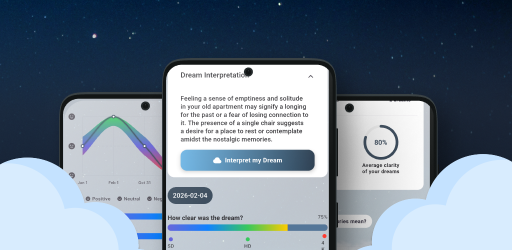
Your dreams are unique
Dream symbols are specific to your dreams. Context matters. Download Dreamiary to get in-depth insights about your dreams, build your own personal symbols library, and journal securely with biometric lock.
Scenarios
6 variationsLaughing with Friends
Experiencing laughter among friends signifies strong bonds and shared joy, highlighting the importance of community in your life.
Laughter During Stressful Times
Finding humor in stressful situations suggests resilience and an ability to navigate challenges with grace.
Unexpected Laughter
Sudden bursts of laughter may indicate surprise or relief, signaling that not everything needs to be taken seriously.
Laughter at Yourself
Being able to laugh at your own mistakes shows self-acceptance and a healthy perspective on personal growth.
Children Laughing
Dreaming of children laughing reflects innocence and purity; it may urge you to reconnect with your inner child.
Laughter Echoing in Silence
Hearing laughter in an otherwise quiet setting points towards hidden joys or unexpressed emotions waiting to be acknowledged.