Narrator
Dreaming of a narrator symbolizes your inner voice guiding you through life's story. It reflects your perspective on experiences, choices, and emotions. This figure can represent self-awareness, the need for clarity, or a desire to understand your life's narrative more deeply.
What does this mean?
Sentiment reflects the emotional tone associated with a dream symbol. It helps you understand how that symbol made you feel within the context of your dream.
Ask: What felt unsafe or out of control?
Ask: What part is helpful, and what part is threatening?
Ask: What's working for me here — and how can I reinforce it?
Context overrides the label. Your reaction in the dream matters more than the symbol "type".
Interpretations
4 perspectivesPsychological
The narrator in your dream may reflect your inner dialogue and how you perceive events in your life. It can indicate a need for self-reflection or a desire to take control of your personal narrative, shaping it consciously.
Spiritual
Spiritually, the narrator represents the quest for truth and understanding. This symbol encourages you to listen to your intuition and embrace the lessons life offers as you navigate your journey with compassion and awareness.
Jungian
As an archetype, the narrator embodies the Self, guiding you toward individuation. This figure helps integrate various aspects of your psyche, encouraging you to explore both light and shadow within your life story.
Folklore
In many cultures, storytellers are revered as keepers of wisdom. The narrator in dreams can signify a call to honor your own story and share it with others, reflecting the belief that every individual has a unique tale worth telling.
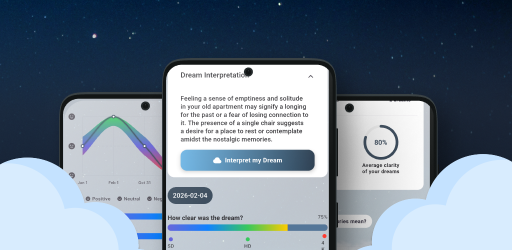
Your dreams are unique
Dream symbols are specific to your dreams. Context matters. Download Dreamiary to get in-depth insights about your dreams, build your own personal symbols library, and journal securely with biometric lock.
Scenarios
9 variationsHearing a Calm Narrator Explaining Your Past Mistakes
You're processing regret or guilt. The calm voice eases harsh self-judgment, helping you understand your errors without panic. It's your mind's way of offering compassion amid internal conflict. If you feel peace listening, you're ready to forgive yourself. If tension builds, the dream pushes you to confront unresolved remorse instead of hiding.
A Narrator Suddenly Stops Mid-Sentence
This reflects sudden uncertainty or fear about an upcoming choice or life chapter. Your inner guide hesitates, mirroring your own indecision and anxiety. The silence feels heavy, urging you to face what's unclear rather than avoid it. If frustration dominates, it shows impatience with yourself; if relief surfaces, maybe you seek a pause before moving forward.
Narrator Tells Your Life Story Backwards
You're re-evaluating past events from a new perspective, challenging how you've understood your history. This reversal highlights hidden lessons or forgotten feelings. The mind pushes for reinterpretation and emotional healing. Feeling disoriented means resistance to change; feeling intrigued signals openness to growth through deeper insight.
A Narrator Who Speaks Only in Questions
Your subconscious wants you to explore uncertainties actively instead of accepting easy answers. This questioning voice provokes curiosity and self-examination about personal beliefs or decisions causing inner conflict. Irritation suggests avoidance tendencies; fascination reveals readiness for honest introspection and embracing complexity in your story.
Your Own Voice as Narrator Reflecting Your Day
You're striving for self-awareness and control over how you interpret daily experiences. Using your voice symbolizes ownership of your narrative and emotions tied to recent events. Calm narration shows confidence; nervousness indicates vulnerability about being honest with yourself or others regarding those experiences.
Narrator Describes Emotions You Can't Name Waking Up
The dream helps decode confusing feelings by putting them into words when waking clarity fails you. It's your internal guide trying to make sense of emotional turmoil or ambiguity rooted in current relationships or pressures. Relief after hearing the narrator means integration is happening; confusion means more reflection is needed.
A Narrator Who Laughs at Your Failures
This reveals an internal conflict between self-acceptance and harsh judgment masked as humor. Laughter can soften pain but also disguise insecurity or shame about mistakes you've made recently. Feeling hurt shows unresolved sensitivity; amusement hints at growing resilience and ability to not take yourself too seriously.
Narrator Reading Letters You Wrote But Forgot
Your mind urges confrontation with suppressed thoughts or feelings expressed privately but now resurfacing for acknowledgment. These letters represent unfinished emotional business connected to relationships or personal goals. Comfort while listening suggests readiness to integrate those messages; discomfort points toward denial or fear of facing truths.
Narrator Describing Future Events in Detail
An urge for control over uncertainty drives this vivid anticipation of what lies ahead. It mirrors anxiety about the unknown mixed with hope for preparation and success in upcoming challenges like career moves or personal decisions. Calm reception means confidence in facing the future; dread indicates overwhelm needing grounding strategies.