Poem
Dreaming of a poem suggests a deep connection to your emotions and creativity. It may symbolize your desire for self-expression, the exploration of inner truths, or the need to communicate feelings that are difficult to articulate. This dream invites you to embrace your artistic side and seek beauty in everyday life.
What does this mean?
Sentiment reflects the emotional tone associated with a dream symbol. It helps you understand how that symbol made you feel within the context of your dream.
Ask: What felt unsafe or out of control?
Ask: What part is helpful, and what part is threatening?
Ask: What's working for me here — and how can I reinforce it?
Context overrides the label. Your reaction in the dream matters more than the symbol "type".
Interpretations
4 perspectivesPsychological
A poem in a dream reflects your emotional landscape. It may indicate that you are processing complex feelings or experiences, urging you to express them creatively. This symbol often appears when you seek clarity or resolution in your waking life.
Spiritual
Spiritually, dreaming of a poem signifies a journey toward enlightenment and understanding. It encourages you to listen to your inner voice and trust your intuition as you navigate life's challenges, fostering compassion for yourself and others.
Jungian
In Jungian terms, a poem represents the integration of the conscious and unconscious mind. It embodies the archetype of the artist, encouraging you to explore your shadow self and bring hidden aspects into light through creative expression.
Folklore
Culturally, poems often symbolize storytelling and wisdom passed down through generations. They remind us of the power of words to heal and connect, reflecting the idea that 'the pen is mightier than the sword'.
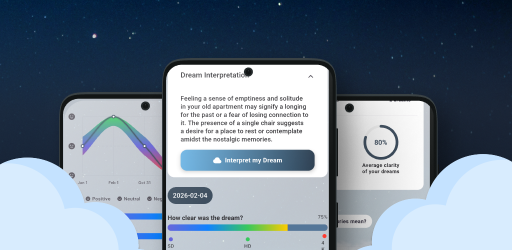
Your dreams are unique
Dream symbols are specific to your dreams. Context matters. Download Dreamiary to get in-depth insights about your dreams, build your own personal symbols library, and journal securely with biometric lock.
Scenarios
6 variationsWriting a Poem
You find yourself writing a poem in your dream, indicating a need for self-expression and reflection on personal experiences.
Reading a Poem Aloud
Dreaming of reciting poetry suggests sharing your thoughts or feelings with others, highlighting the importance of communication.
Receiving a Poem as a Gift
Receiving poetry from someone symbolizes appreciation for your emotional depth and creativity, reinforcing connections with others.
Listening to Poetry at an Event
Attending a poetry reading signifies openness to new ideas and perspectives, encouraging you to engage with diverse voices.
Finding an Old Poem Book
Discovering an old collection of poems suggests revisiting past memories or emotions that require acknowledgment.
Creating Visual Art Inspired by Poetry
Merging visual art with poetry indicates a desire for holistic expression, blending different forms of creativity.