
Pug

Dreaming of a pug often symbolizes loyalty, companionship, and joy. This breed's charming demeanor reflects the importance of connection and lightheartedness in your life. Pugs encourage you to embrace your playful side and appreciate the simple joys around you, fostering deeper relationships with those you care about.

Sentiment
iSentiment represents the emotional tone of a symbol in the dream: negative suggests pressure or threat, mixed indicates a push-pull dynamic, and positive implies support or relief. It reflects the mood, not a good or bad judgment.
Positive
negativemixedpositive
What does this mean?

Sentiment reflects the emotional tone associated with a dream symbol. It helps you understand how that symbol made you feel within the context of your dream.

Negative (red)
Tension: fear, urgency, conflict, shame, or boundaries being pushed.
Ask: What felt unsafe or out of control?
Mixed (orange)
Both sides: scary but meaningful, painful but healing, risky but exciting.
Ask: What part is helpful, and what part is threatening?
Positive (green)
Support: relief, clarity, connection, confidence, repair, forward momentum.
Ask: What's working for me here — and how can I reinforce it?

Context overrides the label. Your reaction in the dream matters more than the symbol "type".

Interpretations

4 perspectives

Psychological

Pugs represent emotional support and the need for companionship. Their playful nature may indicate a desire to reconnect with your inner child or seek comfort in relationships that bring joy and laughter.

Spiritual

Spiritually, pugs symbolize unconditional love and acceptance. They invite you to cultivate compassion for yourself and others, emphasizing the importance of nurturing bonds that uplift your spirit.

Jungian

The pug embodies the archetype of the jester, reminding you to find humor in life's challenges. It encourages integration of the playful aspects of your personality, balancing seriousness with fun.

Folklore

In folklore, pugs are often seen as symbols of good fortune and happiness. Their presence in dreams can signify a time to celebrate friendships and cherish moments of joy.
Your dreams are unique

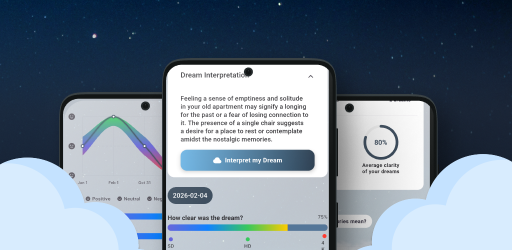
Dream symbols are specific to your dreams. Context matters. Download Dreamiary to get in-depth insights about your dreams, build your own personal symbols library, and journal securely with biometric lock.

Get it onGoogle Play
Download on theApp Store

Scenarios

9 variations
  • Playing with a pug in a sunny park

    Joy bubbles up when you play with a pug outdoors, revealing your craving for carefree moments. The sunny park mirrors your need to break free from stress and savor simple pleasures. If you felt happiness during the dream, it shows your readiness to welcome fun into your routine. Feeling anxious, though? Your mind nudges you to seek more lighthearted connections despite current tensions.

  • Caring for a sick pug gently

    Tending to an ill pug reflects your deep empathy and willingness to support those struggling around you. This dream stems from emotional responsibility weighing on your shoulders. If tenderness dominated, you're embracing compassion as strength. Fear or helplessness signals inner conflict,perhaps guilt over not doing enough or fear of losing someone dear.

  • A pug following you closely at night

    A loyal pug trailing behind under moonlight symbolizes steadfast friendships quietly supporting you through uncertainty. Nighttime adds mystery, hinting that these bonds may be unspoken but vital. If you felt comforted, it means you recognize this hidden strength. Feeling uneasy suggests doubts about relying on others or fear of abandonment despite close connections.

  • A mischievous pug chewing your favorite shoes

    When a playful pug ruins something valuable, your subconscious pushes you to loosen control and accept imperfections in life or relationships. The shoes represent paths or choices disrupted by unexpected joy or chaos. Laughter during the dream signals readiness to embrace spontaneity; frustration highlights resistance to change or difficulty forgiving small mistakes.

  • Watching a group of pugs tumbling playfully

    Multiple pugs frolicking together spotlight the warmth found in community and shared happiness. This image reveals longing for deeper social ties or validation within your circle. Feeling included suggests contentment with current friendships; feeling like an outsider points to loneliness or fear of rejection despite craving connection.

  • Finding a lost pug hiding under furniture

    Discovering a scared, hidden pug signals parts of yourself,perhaps vulnerability or forgotten joy,that need attention and care. The furniture's shelter shows protective instincts shielding fragile emotions from harm. Comfort calming the pup means healing is underway; anxiety about finding it hints at avoidance of emotional wounds needing resolution.

  • A pug barking loudly at strangers

    A vocal pug warning against outsiders reflects protective instincts over personal boundaries or relationships feeling threatened in waking life. The barking symbolizes alertness to potential conflicts or emotional invasions. Feeling proud shows confidence defending what matters; feeling embarrassed suggests discomfort about confrontation or fear of alienating others.

  • Dressing up a pug in funny costumes

    Putting clothes on a pug highlights playful self-expression and desire to lighten serious moods around you. This act reveals an urge to inject humor into strained situations or relationships needing levity. Enjoying the silliness means you're open to breaking norms; feeling awkward indicates hesitation about appearing vulnerable or silly in front of others.

  • Losing sight of your pug during a walk

    Losing track of your loyal companion represents feelings of disconnection from trusted people or parts of yourself offering comfort and stability. The walk signifies life's journey where support feels temporarily absent, stirring anxiety about going it alone. Relief upon finding the pug underscores hope for reconnection; lingering loss reflects unresolved fears about isolation.