Rampart
Dreaming of a rampart symbolizes your need for protection and security. It reflects your emotional barriers and the ways you defend yourself against external threats. This imagery invites you to explore how you fortify your inner world while considering the balance between openness and defense.
What does this mean?
Sentiment reflects the emotional tone associated with a dream symbol. It helps you understand how that symbol made you feel within the context of your dream.
Ask: What felt unsafe or out of control?
Ask: What part is helpful, and what part is threatening?
Ask: What's working for me here — and how can I reinforce it?
Context overrides the label. Your reaction in the dream matters more than the symbol "type".
Interpretations
4 perspectivesPsychological
The rampart represents your emotional defenses, illustrating how you shield yourself from vulnerability. It may indicate a time when you feel the need to protect your feelings or personal space due to past experiences.
Spiritual
Spiritually, the rampart signifies a call for inner strength and resilience. It encourages you to build a solid foundation within, allowing for growth while remaining open to life's challenges.
Jungian
In Jungian terms, the rampart embodies the persona, the mask you wear to navigate social interactions. It suggests a need to confront aspects of your shadow self that may be hidden behind these defenses.
Folklore
Culturally, ramparts symbolize safety and community support. Folklore often depicts them as places where people gather for protection, reflecting the importance of collective strength in facing adversities.
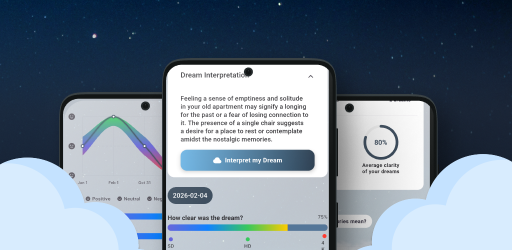
Your dreams are unique
Dream symbols are specific to your dreams. Context matters. Download Dreamiary to get in-depth insights about your dreams, build your own personal symbols library, and journal securely with biometric lock.
Scenarios
6 variationsBuilding a Rampart Around Your Home
This scenario suggests a desire for physical or emotional security in your personal space, indicating an instinct to protect what is most important to you.
Climbing Over a Rampart
Climbing over symbolizes overcoming obstacles or fears that have kept you confined. It reflects a journey toward greater freedom and self-acceptance.
Watching from Behind a Rampart
Observing from behind indicates feelings of isolation or detachment. You may be hesitant to engage fully with others due to fear of vulnerability.
Destroying a Rampart
Destruction signifies a breakthrough moment where you're ready to dismantle old defenses that no longer serve you, allowing for new connections.
Building a Rampart with Others
Collaborating on building suggests community support and shared goals, highlighting the importance of collective strength in facing challenges together.
Feeling Trapped Behind a Rampart
Feeling trapped indicates that your defenses may be hindering personal growth or relationships, urging reflection on what needs to change.