Respite
Dreaming of respite signifies a deep need for rest and rejuvenation. It reflects your subconscious desire to step back from life's demands, offering a moment to recharge and gain clarity. This symbol encourages you to prioritize self-care and embrace tranquility in your waking life.
What does this mean?
Sentiment reflects the emotional tone associated with a dream symbol. It helps you understand how that symbol made you feel within the context of your dream.
Ask: What felt unsafe or out of control?
Ask: What part is helpful, and what part is threatening?
Ask: What's working for me here — and how can I reinforce it?
Context overrides the label. Your reaction in the dream matters more than the symbol "type".
Interpretations
4 perspectivesPsychological
Experiencing respite in dreams may indicate that you're feeling overwhelmed or burnt out. It suggests a need to pause, reflect, and restore emotional balance, allowing you to process stressors more effectively.
Spiritual
Spiritually, respite symbolizes a sacred pause for reflection and growth. It invites you to connect with your inner wisdom, fostering compassion towards yourself and others as you navigate life's challenges.
Jungian
In Jungian terms, respite represents the archetype of the caregiver, embodying self-nurturing and the importance of rest in the individuation process. It highlights the necessity of integrating shadow aspects by acknowledging your limits.
Folklore
Culturally, the concept of respite is often tied to the idea of 'taking a breather' or 'catching one's breath.' Many folk sayings emphasize the importance of rest as a means to rejuvenate both body and spirit.
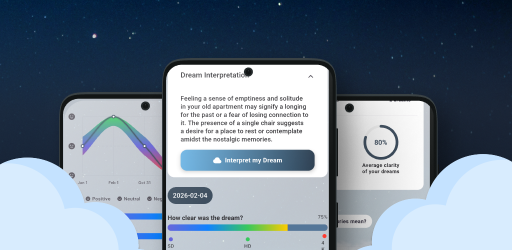
Your dreams are unique
Dream symbols are specific to your dreams. Context matters. Download Dreamiary to get in-depth insights about your dreams, build your own personal symbols library, and journal securely with biometric lock.
Scenarios
8 variationsLying down under a shady tree
You picture yourself resting beneath a leafy tree, feeling cool and protected. This symbolizes your craving for a pause in your hectic routine. The shade represents shelter from stress or overwhelming responsibilities. If you felt relief and calm, it shows your mind's push to prioritize rest. But if you felt restless even there, it suggests unresolved worries intruding on your need for peace.
Taking a nap in a cozy room
You find yourself dozing off comfortably indoors, away from noise and demands. This points to your subconscious urging you to slow down and recharge mentally and physically. The snug environment highlights the importance of creating safe spaces where you can heal. If the nap felt refreshing, you're ready to embrace downtime. Feeling anxious during the nap means guilt or pressure is blocking your rest.
Sitting quietly in an empty church
You sit alone in a silent sacred space, soaking up stillness and reverence. This reflects your search for spiritual respite or inner clarity amid confusion or chaos. The emptiness emphasizes solitude needed for deep contemplation. Feeling peaceful indicates alignment with your values and calmness emerging inside. However, sensing loneliness could expose feelings of isolation despite your need for tranquility.
Watching clouds drift slowly by
Your attention fixates on gentle clouds moving across the sky, inviting daydreams and release from tension. This signals a desire to detach briefly from stressors and let thoughts float freely without judgment. The slow pace mirrors how you want time itself to slow down around you. Feeling serene shows acceptance of this pause; frustration hints at impatience with life's relentless pace.
Resting on a hammock swaying gently
You lounge comfortably in a hammock that rocks softly back and forth, evoking carefree ease and balance. Your mind craves freedom from obligations and seeks moments where movement is effortless but restful too. The swing's rhythm symbolizes finding harmony between activity and restfulness. Pleasure here means willingness to embrace those breaks; discomfort might reveal difficulty letting go or trusting yourself to relax.
Enjoying warm sunlight on skin
You bask in soothing sunlight that warms without burning, representing emotional comfort and rejuvenation during difficult times. The light touches symbolize hope penetrating dark moods or exhaustion clouding your spirit. Sensations of comfort show resilience growing inside as you accept care for yourself now; feeling overwhelmed by heat might suggest vulnerability beneath surface calm.
Hearing soft rain tapping on windows
Rain's gentle rhythm creates an intimate cocoon where worries seem distant or muffled outside this safe refuge. Your brain chooses this image because rain often cleanses stress and refreshes both earth and mind alike when life feels burdensome or stagnant. Calm enjoyment signals readiness for renewal; irritation at noise reveals tension preventing full mental rest right now.
Being offered a cup of tea by someone kind
Receiving warm tea symbolizes nurture extended either from within yourself or others close by who recognize your need for comfort amidst strain. Sharing this simple act highlights importance of connection as part of respite,not just isolation alone solves fatigue or emotional drain completely. Gratitude here means openness toward asking for help; rejecting the offer might reflect pride or fear blocking support needed most.