Tomb
Dreaming of a tomb often signifies a confrontation with mortality, hidden aspects of the self, or the need for closure. It may represent unresolved issues or the process of letting go, inviting introspection and personal growth.
What does this mean?
Sentiment reflects the emotional tone associated with a dream symbol. It helps you understand how that symbol made you feel within the context of your dream.
Ask: What felt unsafe or out of control?
Ask: What part is helpful, and what part is threatening?
Ask: What's working for me here — and how can I reinforce it?
Context overrides the label. Your reaction in the dream matters more than the symbol "type".
Interpretations
4 perspectivesPsychological
A tomb can symbolize repressed emotions or memories that need addressing. It prompts you to explore what parts of your past are influencing your present behavior and emotional state, encouraging healing and acceptance.
Spiritual
Spiritually, a tomb signifies transformation and rebirth. It encourages you to reflect on what needs to die in order for new growth to occur, fostering a deeper understanding of life's cycles and the importance of letting go.
Jungian
In Jungian terms, a tomb may represent the shadow aspect of your psyche, where neglected traits or fears reside. Encountering this symbol suggests a journey towards individuation, integrating these hidden parts into your conscious self.
Folklore
Culturally, tombs often symbolize the passage between life and death. Folklore suggests that they can be places of wisdom where ancestors impart lessons. This reflects the belief that acknowledging our past is essential for future growth.
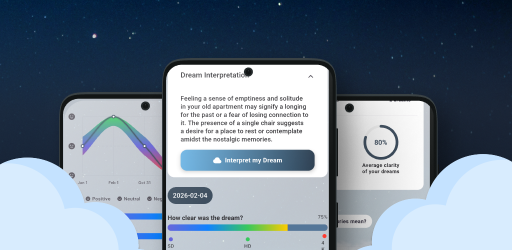
Your dreams are unique
Dream symbols are specific to your dreams. Context matters. Download Dreamiary to get in-depth insights about your dreams, build your own personal symbols library, and journal securely with biometric lock.
Scenarios
6 variationsDiscovering an ancient tomb
Uncovering an ancient tomb in your dream may signify a revelation about your heritage or deep-seated beliefs that shape your identity.
Visiting a loved one's tomb
This scenario often reflects feelings of grief or unresolved emotions regarding loss, prompting you to seek closure or remembrance.
Being trapped in a tomb
Feeling trapped within a tomb suggests you might be grappling with feelings of confinement in your life or emotions that are difficult to express.
Opening a tomb and finding treasures
Opening a tomb only to find treasures symbolizes discovering hidden talents or insights within yourself that have been buried.
Walking through a cemetery with tombs
This scene may indicate contemplation on mortality and life's impermanence, urging you to appreciate the present moment.
Decorating a tomb with flowers
Decorating a tomb signifies honoring memories and acknowledging the impact of past experiences on your current life.