Tombstone
Dreaming of a tombstone often signifies a confrontation with mortality, loss, or the end of a chapter in life. It can prompt reflection on what you value and the legacies you wish to leave behind, urging you to consider your own journey and the changes that lie ahead.
What does this mean?
Sentiment reflects the emotional tone associated with a dream symbol. It helps you understand how that symbol made you feel within the context of your dream.
Ask: What felt unsafe or out of control?
Ask: What part is helpful, and what part is threatening?
Ask: What's working for me here — and how can I reinforce it?
Context overrides the label. Your reaction in the dream matters more than the symbol "type".
Interpretations
4 perspectivesPsychological
A tombstone in your dream may represent unresolved grief or a significant change in your life. It can reflect feelings about endings, whether they relate to relationships, jobs, or personal growth. This symbol encourages you to process these emotions and consider how they shape your identity.
Spiritual
Spiritually, a tombstone can signify transformation and renewal. It reminds you that endings are often necessary for new beginnings. Embracing this cycle can foster compassion for yourself and others as you navigate life's transitions.
Jungian
In Jungian terms, the tombstone symbolizes the shadow aspect of self—acknowledging parts of yourself that you may wish to bury or forget. It invites you to confront these hidden aspects for personal growth and integration, leading to a more complete self-awareness.
Folklore
Culturally, tombstones are often seen as markers of remembrance and respect for those who have passed. In dreams, they may evoke thoughts about legacy and how you wish to be remembered. They serve as a reminder to cherish life and honor those who have influenced your journey.
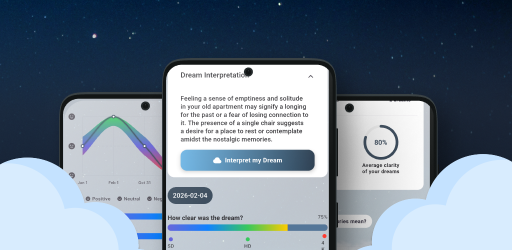
Your dreams are unique
Dream symbols are specific to your dreams. Context matters. Download Dreamiary to get in-depth insights about your dreams, build your own personal symbols library, and journal securely with biometric lock.
Scenarios
6 variationsVisiting a graveyard
This scenario suggests a deep contemplation of past relationships or experiences that have shaped who you are today.
Seeing your own name on a tombstone
This may indicate fears about your identity or concerns regarding how you will be remembered.
Cleaning or decorating a tombstone
This reflects an active engagement with memories and honoring past influences in your life.
Finding an unmarked tombstone
This could symbolize forgotten aspects of yourself or unresolved issues that need attention.
Witnessing a burial ceremony
This scenario often signifies closure or the need to let go of something significant in your life.
Dreaming of multiple tombstones
This may represent various endings or losses you've experienced, urging reflection on their impact.