Unforgiven
Dreaming of the unforgiven often signifies unresolved emotions or lingering guilt. It may reflect a struggle with self-forgiveness or the need to confront past grievances. This symbol invites you to explore the weight of unaddressed feelings and encourages a journey toward healing and reconciliation.
What does this mean?
Sentiment reflects the emotional tone associated with a dream symbol. It helps you understand how that symbol made you feel within the context of your dream.
Ask: What felt unsafe or out of control?
Ask: What part is helpful, and what part is threatening?
Ask: What's working for me here — and how can I reinforce it?
Context overrides the label. Your reaction in the dream matters more than the symbol "type".
Interpretations
4 perspectivesPsychological
The unforgiven represents cognitive dissonance, where you grapple with feelings of guilt or resentment. This may manifest in dreams as a reminder of unresolved conflicts or personal shortcomings, prompting you to seek closure.
Spiritual
Spiritually, the unforgiven calls for compassion towards yourself and others. It suggests that holding onto grudges hinders your spiritual journey, encouraging forgiveness as a path to liberation and peace.
Jungian
In Jungian terms, the unforgiven embodies the shadow aspect of your psyche. It symbolizes parts of yourself that you reject or deny, urging you to integrate these elements for wholeness and personal growth.
Folklore
Culturally, the concept of being unforgiven resonates with sayings like 'forgive but never forget.' This reflects a common belief that while we may move on, the emotional scars can linger, shaping our interactions.
Your dreams are unique
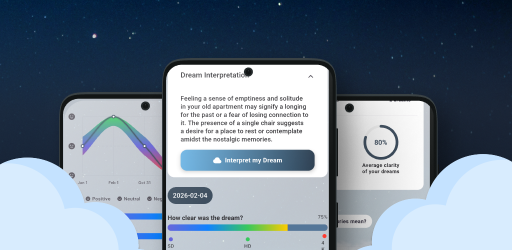
Dream symbols are specific to your dreams. Context matters. Download Dreamiary to get in-depth insights about your dreams, build your own personal symbols library, and journal securely with biometric lock.
Scenarios
8 variationsDreaming of Apologizing but Being Rejected
You try to say sorry in your dream but the other person turns away. This shows your deep fear of not being forgiven and the pain of rejection. Your mind wrestles with the guilt you carry and the hope for reconciliation. If you feel frustration during the dream, it points to anger at yourself or others for not moving on. If sadness dominates, it reveals a longing to heal old wounds that still weigh heavily on you.
Being Accused of Something You Didn't Do
Someone blames you unfairly in the dream, spotlighting feelings of injustice or misunderstanding in your waking life. Your subconscious battles with resentment and a desire to clear your name. The emotion you experience changes everything,anger fuels a fight-back urge, while helplessness may show you've accepted blame too easily. This scenario forces you to confront how much past grievances dictate your present emotional state.
Watching Yourself Refuse Forgiveness
You see yourself denying forgiveness to someone in your dream, signaling an inner conflict about letting go. It often relates to holding onto anger or betrayal that prevents emotional growth. The intensity of your feelings colors this scene: cold detachment suggests numbness, while fiery passion reveals unresolved rage. Your mind uses this image to push you toward understanding why forgiveness feels impossible right now.
Carrying a Heavy Burden Labeled 'Unforgiven'
You feel physically weighed down by an invisible load in your dream, symbolizing guilt that clings tightly. This burden represents unaddressed regrets or mistakes that haunt you daily. The struggle to move forward mirrors how these feelings slow your progress in life. If relief appears when you set it down, it hints at readiness for self-compassion; if not, it shows stubborn resistance to healing.
Seeing a Closed Door Marked 'No Forgiveness'
A locked door blocks your path with a sign that forbids forgiveness, illustrating emotional barriers in relationships or within yourself. Your psyche is warning about walls you've erected from past hurts or shame. Feeling trapped here reveals anxiety about missing opportunities for peace; feeling calm might mean acceptance of consequences yet yearning for change underlies the surface.
Dreaming of Writing a Letter You Never Send
You compose words filled with apology or explanation but never mail them, highlighting unexpressed feelings and unfinished business inside you. This scenario expresses hesitation,fear of vulnerability or rejection keeps those emotions bottled up. The tone of the letter reflects what you're struggling most with: remorse, regret, or longing for understanding from others or yourself.
Seeing Someone Else Struggling with Unforgiveness
Observing another person unable to forgive points inward as well as outward,your empathy reveals shared pain and the difficulty both sides face in healing. Your subconscious may be urging compassion toward yourself through compassion for others caught in similar emotional traps. Depending on whether you feel pity, frustration, or warmth watching them struggle, different layers of your own forgiveness journey emerge.
Being Trapped in a Room Full of Silent Accusers
Surrounded by people who silently judge and refuse forgiveness creates an intense sense of isolation and shame in your dream. It dramatizes how unresolved guilt alienates you from others and possibly from parts of yourself too. Experiencing panic here signals overwhelming self-condemnation; feeling numb suggests avoidance tactics keep these feelings buried beneath conscious awareness.